Why Is Delta 9 Legal?
As the cannabis industry evolves, a common question arises: Why is Delta 9 legal? To understand this, it’s important to explore the differences between federal and state laws, particularly in the context of the 2018 Farm Bill and the distinctions between hemp-derived and marijuana-derived THC products.
The 2018 Farm Bill marked a significant shift by legalizing hemp and its derivatives at the federal level. According to this legislation, hemp is defined as cannabis with no more than 0.3% THC by dry weight, a limit that specifically applies to Delta 9 THC.
This bill permits the production, sale, and consumption of hemp-derived products, including Delta 9 THC, as long as the concentration remains within the 0.3% threshold. Products exceeding this limit are classified as marijuana, which remains illegal under federal law, though states have their own regulations regarding marijuana.
This distinction is essential because it means Delta 9 THC, when derived from hemp and kept within the legal limit, can be legally produced and sold in various forms, such as edibles, tinctures, and oils.
The legality of Delta 9 is determined by its origin, specifically whether it is derived from hemp or marijuana. Both hemp and marijuana are varieties of the cannabis plant, but they differ significantly in their THC content. Hemp is characterized by its low levels of Delta 9 THC, which must remain below 0.3% by dry weight to meet legal requirements. This low concentration ensures that hemp-derived Delta 9 is generally legal under federal law. In contrast, marijuana often contains much higher levels of Delta 9 THC.
This elevated concentration places marijuana in a different legal category, making it illegal under federal law unless specific state regulations allow its use. Thus, the distinction between hemp and marijuana, based on their THC content, directly influences their legal status.
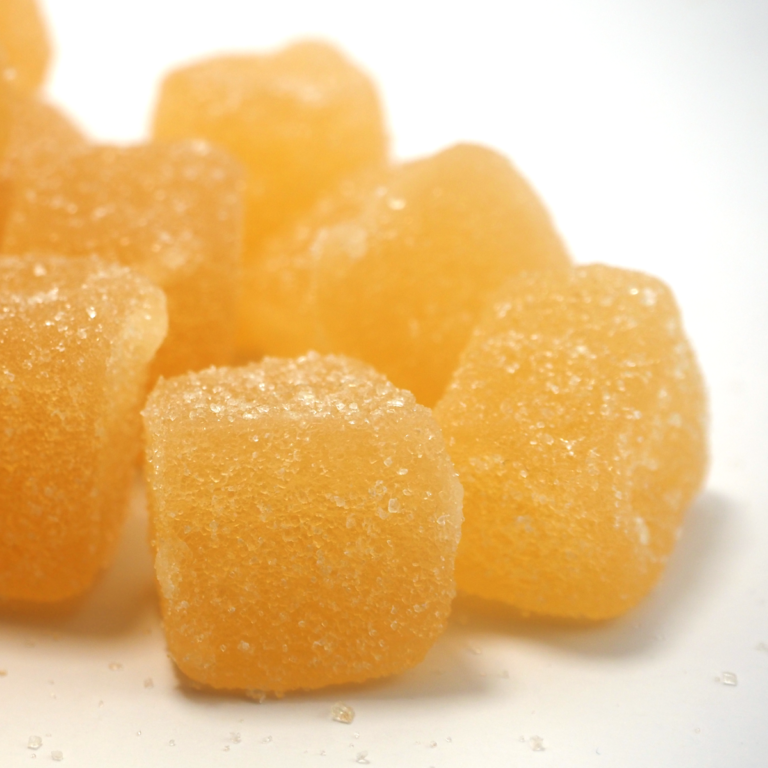
Hemp-derived Delta 9 products are considered legal as long as they adhere to the federal THC limit of 0.3%. This regulatory framework has led to a rise in the availability of Delta 9 edibles, gummies, and other products, allowing consumers to experience the benefits of THC while remaining within federal legal boundaries.
Despite federal legalization, the landscape of Delta 9 THC legality is influenced by state-specific regulations. While some states, like California and Colorado, permit both recreational and medicinal use of marijuana, allowing for higher concentrations of Delta 9 THC, others, such as Texas, restrict sales to hemp-derived products that comply with the federal limit of 0.3% THC. This patchwork of state regulations means that consumers must be mindful of their local laws to avoid legal complications.
The federal legality of Delta 9 THC is grounded in its origin and concentration. Since Delta 9 THC derived from hemp and kept below the 0.3% threshold is not classified as a controlled substance, it is legally produced and sold nationwide. The 2018 Farm Bill, which set this legal precedent, also paved the way for further research into hemp-derived compounds, enhancing the market for such products. With proper regulation, consumers can access Delta 9 THC legally and safely.
Looking ahead, the legal status of Delta 9 THC is expected to evolve as more states consider cannabis reform. Advocacy for broader legalization and shifting public opinion may impact future regulations, but federal law currently maintains strict guidelines, especially concerning marijuana-derived Delta 9 THC. For now, the legality of Delta 9 THC is contingent upon its hemp origin and concentration, ensuring that it remains within legal limits while consumers navigate varying state regulations.