How Long Do THC Gummies Stay In Your System
Many users of cannabis edibles often wonder how long THC gummies stay in their system. The answer is complex, as various factors influence this duration. The type of gummy consumed and your individual metabolism both play significant roles in how long THC remains detectable in your body.
When you eat a THC gummy, your body processes tetrahydrocannabinol (THC) differently than when you smoke or vape. Instead of entering the bloodstream through the lungs, THC from gummies is absorbed through the digestive system and metabolized by the liver. This process can take anywhere from 30 minutes to a few hours before the effects kick in, and it also means that THC tends to stay in your system longer compared to inhalation. The nature of edibles results in a slower, more prolonged release of THC, contributing to its extended presence in your body.
The duration that THC from gummies remains in your system is significantly influenced by the dosage you take. Consuming higher doses leads to more THC being stored in your body’s fat cells.
Because THC is fat-soluble, it binds to fat tissue, where it stays until it is gradually released back into the bloodstream. As a result, this process can extend the time THC lingers in your system, particularly if you regularly consume gummies or other cannabis products.

Your metabolism significantly influences how long THC remains detectable in your system. Those with a faster metabolism may process and eliminate THC more quickly than individuals with a slower metabolism. Various factors, such as body fat percentage, overall health, hydration levels, and activity, also affect how efficiently your body breaks down and excretes THC. Because of this, some people might clear THC within a few days, while others could take several weeks.
Frequency of use plays a crucial role as well. Occasional users who consume THC gummies infrequently are likely to have the substance leave their system more rapidly compared to regular users. Frequent consumers who take THC gummies daily or weekly may accumulate a higher level of THC in their bodies, prolonging the elimination process.
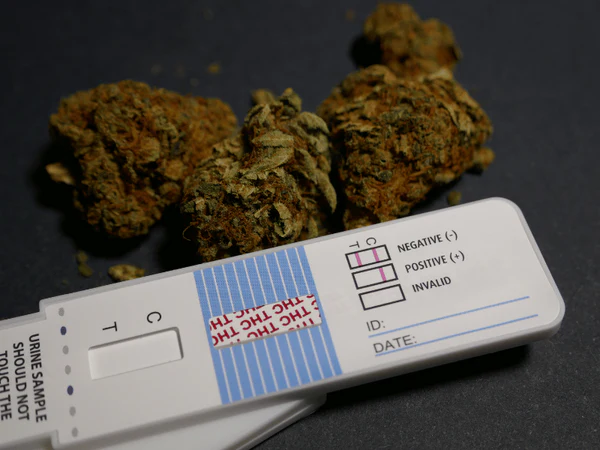
The method of testing is another consideration regarding THC detection. Different tests—like urine, blood, saliva, or hair tests—have distinct detection windows for THC. Urine tests, the most commonly used, can identify THC for several days in occasional users and potentially for a month or more in heavy users. Blood and saliva tests generally have shorter detection windows, while hair tests can reveal THC use long after consumption.
Ultimately, there isn’t a universal answer to how long THC gummies stay in your system. The duration depends on various factors, including dosage, metabolism, usage frequency, and the type of test being conducted. If you’re worried about THC lingering in your system for a drug test or other reasons, it’s crucial to keep these factors in mind when consuming edibles.
By understanding the complexities of THC metabolism, you can make informed decisions about your consumption habits, especially if you need to manage THC presence in your system for personal or professional reasons. Whether you’re a casual user or someone who enjoys THC gummies more frequently, being aware of how long the effects and traces of THC may last in your body is essential.