Delta 9 Withdrawals
Delta 9-tetrahydrocannabinol (Delta 9 THC) is the primary psychoactive compound in cannabis that produces the characteristic euphoric high. While cannabis is often viewed as relatively safe, especially compared to other substances, it can still lead to dependency in some users, and withdrawal symptoms may arise when use is reduced or stopped. It’s important for those considering cutting back or quitting cannabis, as well as healthcare providers, to understand the nature of Delta 9 withdrawals.
Delta 9 withdrawals encompass both physical and psychological symptoms that emerge when regular cannabis users decrease or stop consumption. Though these symptoms are generally less severe than those associated with substances like opioids or alcohol, they can still be uncomfortable and disruptive.
Withdrawal symptoms typically begin 24 to 72 hours after the last cannabis use. The intensity and type of symptoms can vary depending on factors like the length and frequency of use, individual health, genetics, and mental state. People may experience a range of symptoms, including irritability, anxiety, difficulty sleeping, changes in appetite, mood swings, headaches, and stomach discomfort. Cravings for cannabis can also make it difficult for some to stay abstinent during the withdrawal period.
Delta 9 withdrawals occur primarily because the body adapts to the presence of THC. The endocannabinoid system, which THC interacts with, regulates important physiological functions such as mood, appetite, sleep, and pain perception. With regular cannabis use, the body becomes accustomed to external THC to maintain balance. When cannabis is reduced or stopped, the lack of THC disrupts this balance, leading to withdrawal symptoms.
The psychological challenges of Delta 9 withdrawals can be particularly tough to manage. Anxiety and mood swings are common, with individuals often feeling irritable and restless. Sleep disturbances, like insomnia, can also arise, especially for those who used cannabis to aid in sleep. This disruption in sleep can worsen other withdrawal symptoms, making the process even harder to endure.

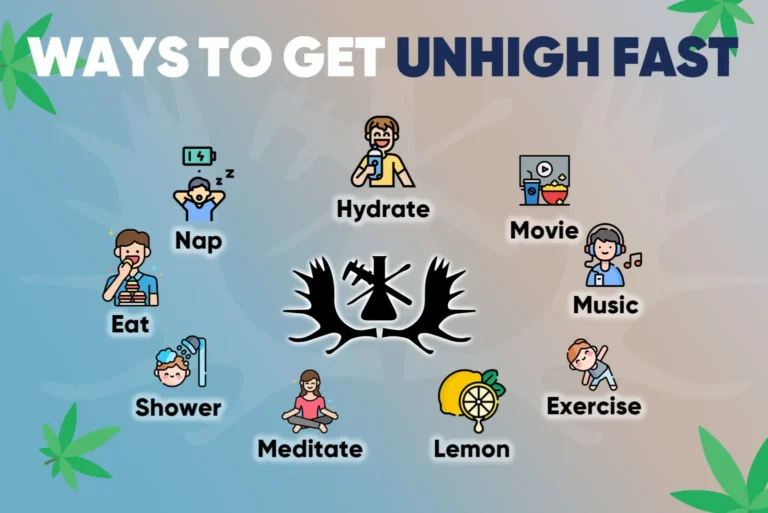
Coping with Delta 9 withdrawals requires a multifaceted approach. For many, the support of friends, family, or a healthcare provider is crucial. Behavioral strategies, such as maintaining a regular sleep schedule, engaging in physical activity, and practicing mindfulness or meditation, can help manage symptoms. In some cases, healthcare providers may recommend over-the-counter medications to address specific symptoms like headaches or gastrointestinal discomfort.
Therapy and counseling can also play an essential role in managing Delta 9 withdrawals. Cognitive-behavioral therapy (CBT) is particularly effective, as it helps individuals understand the patterns and triggers associated with their cannabis use and develop healthier coping strategies. Support groups, either in-person or online, can provide a sense of community and shared experience, which can be immensely comforting during the withdrawal process.
Understanding the potential for Delta 9 withdrawals highlights the importance of responsible cannabis use. For individuals using cannabis for medicinal purposes, it’s essential to follow the guidance of a healthcare provider to minimize the risk of dependency and withdrawal. Recreational users should also be mindful of their consumption patterns and be aware of the signs of developing a dependency.
While Delta 9 withdrawals are generally less severe than those associated with other substances, they can still pose significant challenges for individuals reducing or discontinuing their cannabis use. Recognizing the symptoms and causes of Delta 9 withdrawals is the first step in effectively managing them. With the right support and strategies, individuals can successfully navigate the withdrawal process and move towards a healthier, balanced lifestyle. Whether for medicinal or recreational users, awareness and understanding of Delta 9 withdrawals are key to fostering a responsible approach to cannabis consumption.