CBD vs THC; What is the Difference?



If you have spent any time shopping for hemp products, then you may have seen terms like “CBD”, or “THC”. While the two cannabinoids come from the same plant, they are both unique in their own way. For those who wish to incorporate hemp products into their routine, knowing the difference between CBD and THC is a crucial part of finding the right product for their needs. Let’s take a closer look at CBD and THC to discover the differences between the two distinct cannabinoids.
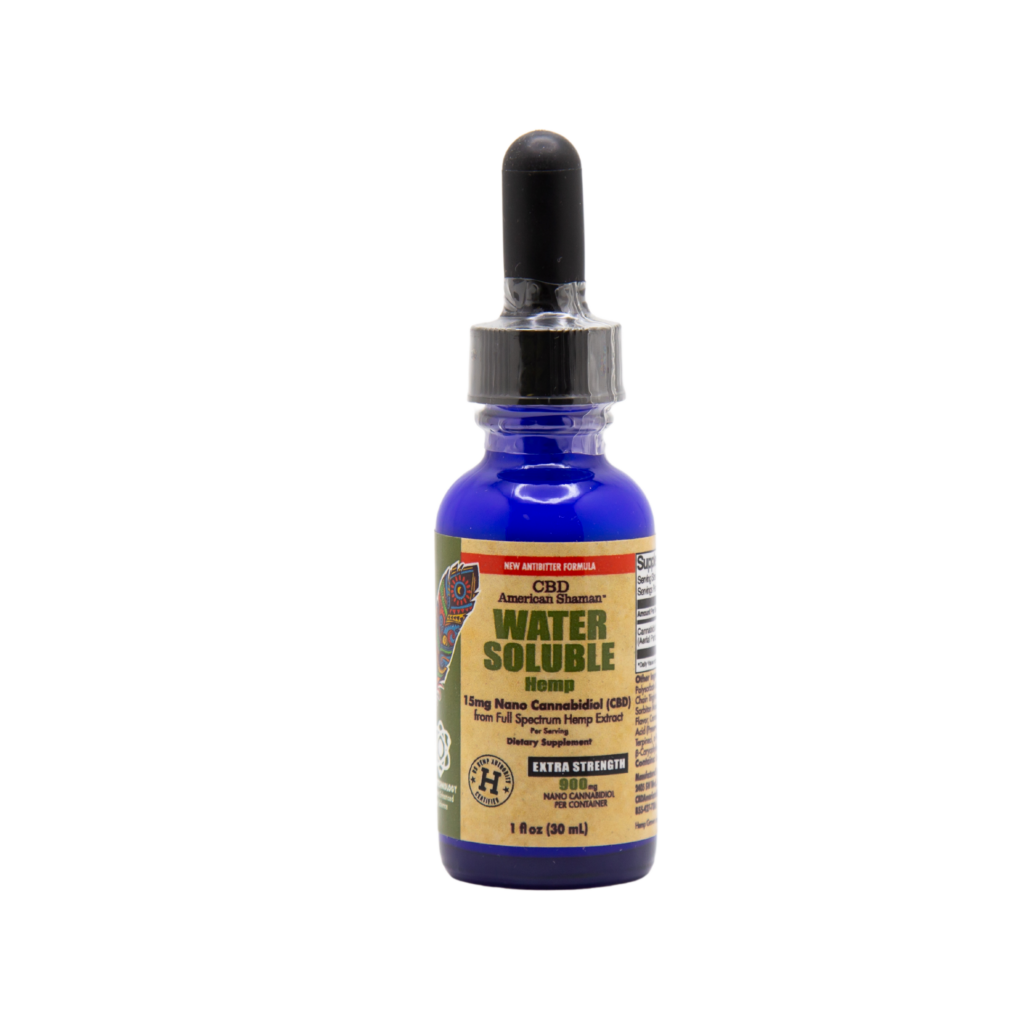
Cannabidiol is one of the many cannabinoids found within the hemp plant. Also known as CBD, it is one of the most popular cannabinoid types on the hemp market. Chances are, you have probably heard something in the news or on social media about CBD.
CBD is non-psychoactive, meaning it will not produce a “high” sensation. In fact, most cannabinoids found within the hemp plant are non-psychoactive. But don’t let that fool you, CBD is unique in its own right.
Research surrounding CBD has revealed a plethora of properties, including (but not limited to) anti-seizure, anti-inflammatory, and anti-anxiety properties. Individuals from all walks of life have begun incorporating CBD into their routines based on numerous studies. However, there is only one FDA-approved medication that is derived from CBD.
According to the FDA, “The FDA has approved only one CBD product, a prescription drug product to treat seizures associated with Lennox Gastaut syndrome (LGS), Dravet syndrome (DS), or tuberous sclerosis complex (TSC) in people one year of age and older.”
On the other hand, Tetrahydrocannabinol, otherwise known as THC, is the mirror opposite of CBD. This cannabinoid is popular due to its psychoactive properties. However, THC also possesses anti-nausea, appetite stimulation, and anti-inflammatory properties.
THC is produced when THCA undergoes decarboxylation. This means that THCA is converted to THC when it has been exposed to heat. This is often achieved by smoking hemp or cannabis flower that contains THC or ingesting edibles that have undergone the decarboxylation process during manufacturing.
Similar to CBD, THC products have been used by many for THC’s properties. However, FDA-approved THC products are very few and far between. According to the National Center for Biotechnology Information, “A synthetic formulation of THC, dronabinol, is FDA approved to manage chemotherapy-induced nausea and vomiting and for appetite stimulation in HIV/AIDS anorexia. Another synthetic THC, nabilone, is FDA-approved for use in chemotherapy-induced nausea and vomiting.”
Even though THC and CBD come from the same plant, they are opposite sides of the same coin. Both work with the other 100+ cannabinoids to interact with our CB receptors, producing the entourage effect. But on their own, THC and CBD possess their own set of properties and interact with our bodies differently.
The biggest difference between CBD and THC is whether or not they produce psychoactive properties. As previously discussed, CBD does not produce the “high” sensations that have made THC so popular. This is the largest distinction between the two cannabinoids.
Of course, this also brings the legality of the two cannabinoids into conversation. Under the 2018 Farm Bill, plants that tested below a .3% THC threshold were considered hemp under federal law. Plants that test above the threshold are considered marijuana. At the time of this writing, marijuana is still illegal under federal law.
Each state has its own rules and regulations governing hemp and marijuana. Both plant types are considered separate and governed by separate state departments, when applicable. For more information on regulation surrounding THC and CBD in your area, please contact the state department that oversees the hemp and/or marijuana programs.

2022 appears to hold great things in store for the CBD oil market. As the COVID pandemic forced companies across the globe to pivot and adapt at a rapid pace, brands like CBD American Shaman took the opportunity to grow. And while the ground remained uncertain for long periods of time, CBD American Shaman emerged…

Getting a good night’s sleep is important. That is why CBD American Shaman offers a variety of high quality hemp-derived products designed to promote sleep and practice self-care. From tinctures to topicals and everything in between, we have something for everyone. The only hard part is picking out your favorite type of product. But what…
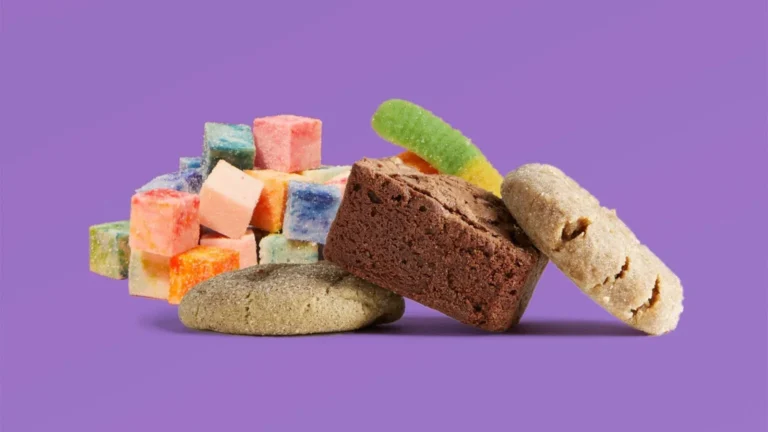
11-Hydroxy-Delta-9-THC, commonly known as 11-hydroxy-THC, is a metabolite derived from Delta-9-THC, the main psychoactive component of cannabis. Unlike Delta-9-THC, which directly enters the bloodstream through inhalation, 11-hydroxy-THC is formed when Delta-9-THC is processed by the liver after being ingested orally. This metabolic conversion alters the compound’s effects, often resulting in a stronger and more enduring…
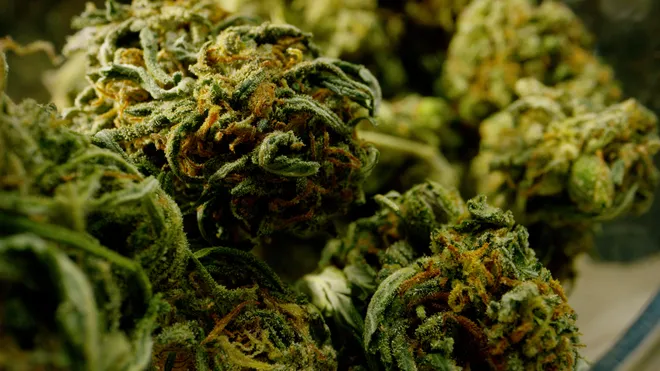
Tetrahydrocannabinol, better known as THC, is a key compound in the cannabis plant, recognized for its psychoactive effects. It is the primary agent behind the “high” experienced from marijuana, making it a cornerstone of both recreational and medicinal cannabis products. THC is available in various forms, including edibles, vapes, oils, and concentrates, each offering different…

Delta 9 THC gummies have become a favorite for those seeking a discreet, convenient, and enjoyable way to experience the benefits of Delta 9. Whether you enjoy DIY projects or simply want to better understand what goes into crafting these infused treats, learning how to make Delta 9 gummies can be both a fun and…
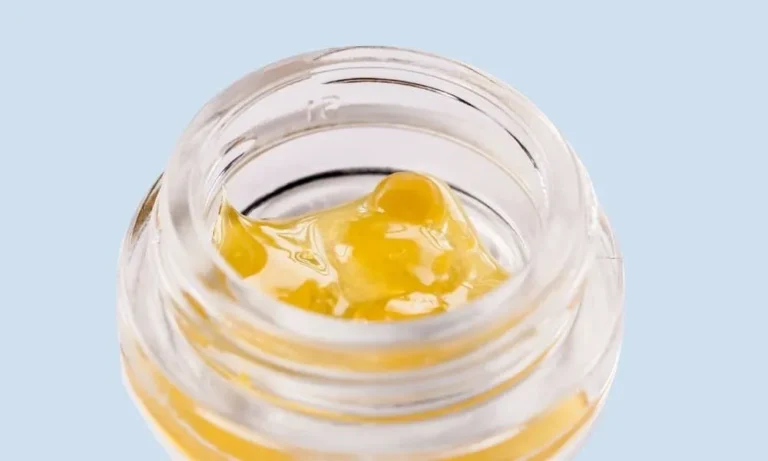
Delta 9 Live Resin has quickly become a favorite among cannabis enthusiasts seeking a more refined and potent experience. Celebrated for its full-spectrum effects and rich flavor, this extract is crafted to retain the plant’s original terpenes and cannabinoids. Unlike conventional distillates or isolates, live resin is produced using fresh, flash-frozen cannabis or hemp, not…