Arkansas Senate Targets Hemp Derived Products
The hemp industry has had many twists and turns over the past few years. Everything from how the plant is grown to the products themselves has faced a legal tangle that many struggle to understand. In one of the latest legal knots, Arkansas’ Senate Bill 358 targets the hemp industry as a whole.
The 24-page document outlines new provisions the hemp industry in the state of Arkansas must follow. While the bill is relatively short compared to some, it would have a large impact on the industry.
What will happen if SB 358 passes?
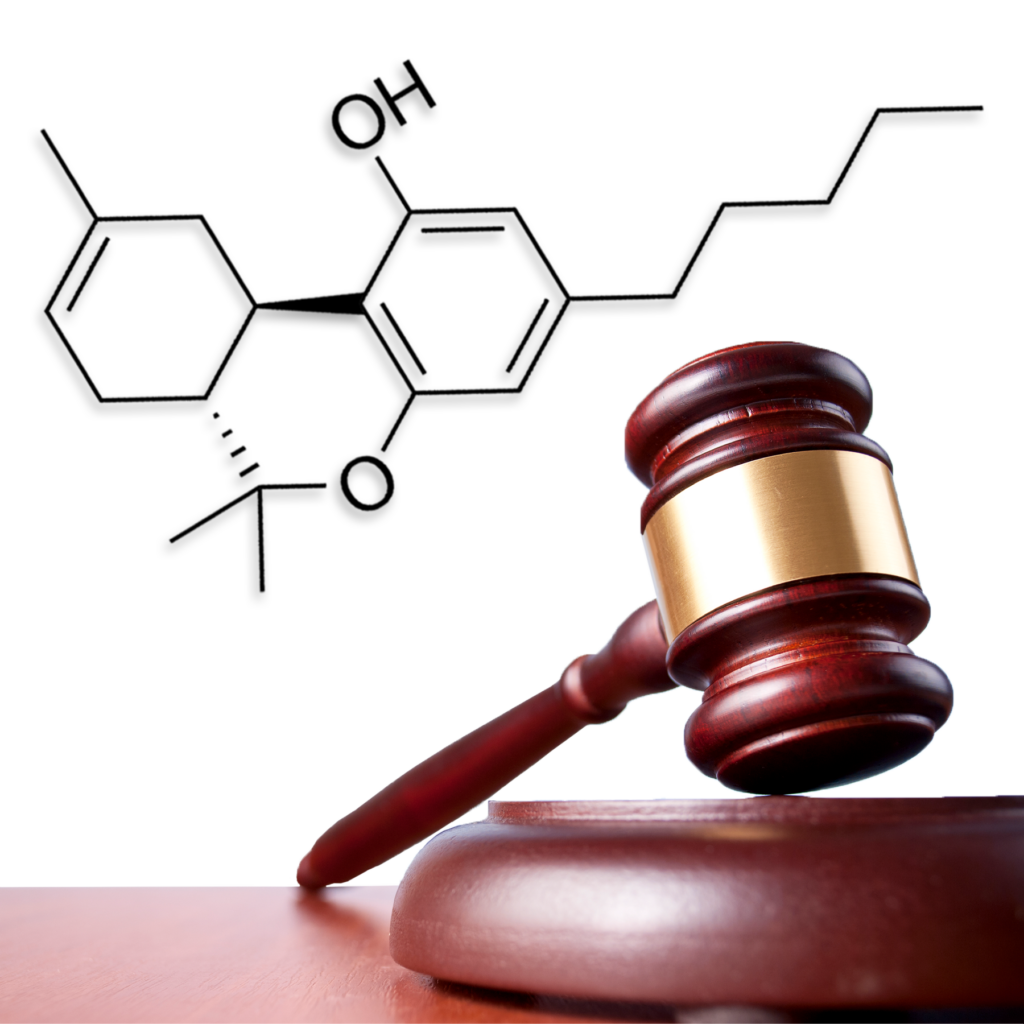
According to Senate Bill 358, the law (if passed) would “amend the law concerning certain Delta Tetrahydrocannabinol substances; to prohibit the growth, processing, sale, transfer, or possession of industrial hemp that contains certain Delta Tetrahydrocannabinol substances” and “include Delta-8, Delta-9, and Delta-10 Tetrahydrocannabinol in the list of Schedule VI controlled substances.”
While a THC content over .3% in dry weight is prohibited by federal law, SB 358 would create stricter laws within Arkansas’ borders. The bill in question may be short compared to some, however, has several key details that could have a large impact on the industry. SB 358 classifies industrial hemp as the “plant Cannabis sativa and any 6 part of the plant, including the seeds of the plant and all derivatives, 7 extracts, cannabinoids, isomers, acids, salts, and salts of isomers that contains a with a tetrahydrocannabinol concentration of 9 no more than three-tenths of one percent (0.3%) of the hemp-derived 10 cannabidiol on a dry weight basis or in any finalized product.”
This mirrors the federal standing on what a hemp plant is. However, the bill drills down deeper from there. Further along in the bill, Section 4 addresses Delta THC cannabinoids. If passed, it would place Delta THC derived from hemp as a Schedule VI drug, regardless if it is synthetic or natural.
SB 358 does not stop there. CBD and other non-psychoactive cannabinoid products would also come under scrutiny. According to the bill, “A hemp-derived product shall not be combined with or contain 24 any of the following: 25 (A) Any liquid, hydrocolloid, animal-based substance, 26 thickener, sweetener, flavoring, synthetic product, propylene glycol, 27 vegetable glycerin, or other non-hemp-derived substance”.

In layman’s terms, any hemp products on the shelves of Arkansas stores cannot contain anything other than hemp. This would eliminate vape products, tinctures, topicals, and edibles. In a wide sweep, SB 358 would ban hemp products as a whole.
Why SB 358 Matters
If passed, SB 358 could cripple the Arkansas hemp industry. The strict law could ban the majority of hemp products in the state. Arkansas has already cut down on the number of hemp farms and processors in the state. At the time of this writing, there are 27 registered hemp grower licenses and 14 hemp processor/handler licenses issued in the state of Arkansas.
The passing of SB 358 would also eliminate brick and mortar establishments from carrying the banned products, limiting options for consumers and leaving retailers with excess inventory they cannot sell.
What can hemp industry professionals do?

At the time of this writing, SB 358 is still on the table. Hemp industry professionals and advocates are encouraged to reach out to their senators to express their concerns.
To find the appropriate senator to contact, please visit the Arkansas Senate website.
Voicing your opinion is an important part of democracy. However, doing so with courtesy is key. When speaking to your senator or leaving a message (both in writing and verbally), you must address the key points you are trying to make while being professional at the same time.