What Is The Difference Between THC-A And Delta 9
As cannabis use continues to become more mainstream, interest in the plant’s various compounds is on the rise. Among these, THC-A (tetrahydrocannabinolic acid) and Delta 9 THC (tetrahydrocannabinol) stand out for their unique characteristics. While related, these cannabinoids have different properties, uses, and effects. Knowing how THC-A and Delta 9 THC differ can help consumers make better-informed decisions regarding their cannabis use, whether for recreational or medicinal purposes.
Chemical Structure and Composition
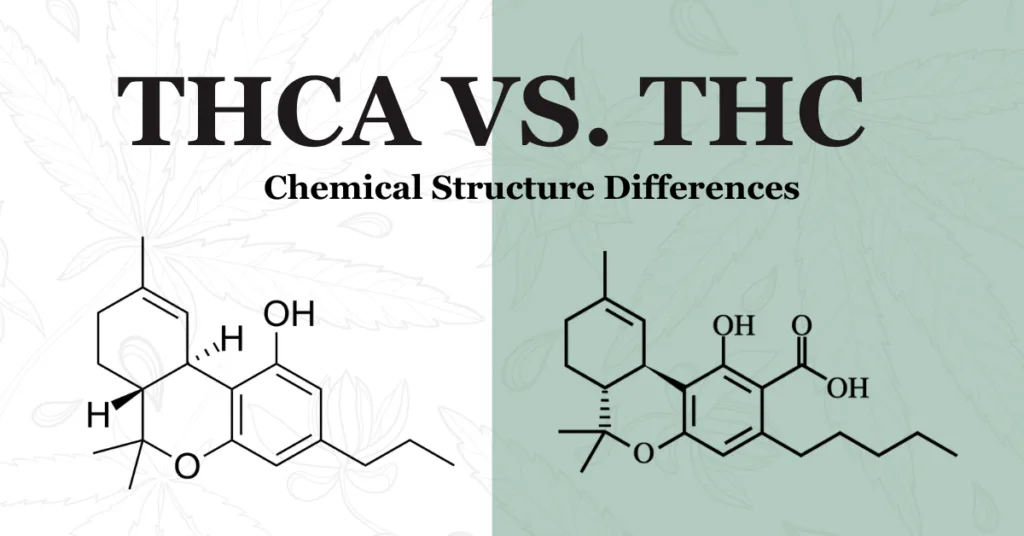
THC-A is the precursor to Delta 9 THC and exists in abundance in raw cannabis. Unlike Delta 9 THC, THC-A is non-psychoactive. It transforms into Delta 9 THC only when exposed to heat through a process called decarboxylation, which occurs when cannabis is smoked, vaped, or cooked. This heat-driven reaction removes the acid group from THC-A, converting it into the psychoactive Delta 9 THC that produces the characteristic “high.” Without heat, THC-A remains in its original state and does not have psychoactive effects.
Chemically, the primary difference between THC-A and Delta 9 THC is the presence of a carboxyl group (-COOH) in THC-A, which is absent in Delta 9 THC. This subtle structural variation is responsible for the distinct ways in which these compounds interact with the human body.
A key distinction between THC-A and Delta 9 THC lies in their psychoactive effects. In its natural state, THC-A is non-intoxicating, meaning that consuming raw cannabis—whether through juicing or adding it to unheated foods—will not produce the familiar high associated with cannabis use.
Because of this, THC-A is popular among those looking to experience the potential wellness benefits of cannabis without the psychoactive side effects.
Delta 9 THC is renowned for its psychoactive effects, as it binds to CB1 receptors in the brain, producing the euphoric and mind-altering sensations typically linked with marijuana. This is the primary reason Delta 9 THC is responsible for the high experienced when smoking, vaporizing, or consuming THC-infused edibles.
Health Benefits and Therapeutic Uses
While both THC-A and Delta 9 THC offer potential health benefits, they function in different ways. THC-A is being explored for its anti-inflammatory, neuroprotective, and anti-nausea properties. Because it is non-intoxicating, it appeals to those seeking therapeutic relief without the psychoactive effects. Research indicates THC-A may be beneficial for conditions such as arthritis, autoimmune disorders, and some neurological diseases, although more studies are needed to confirm its full potential.
Conversely, Delta 9 THC, due to its psychoactive nature, has been widely studied for its pain-relieving properties, anti-nausea effects (especially in chemotherapy patients), and appetite stimulation, particularly for those with HIV/AIDS. In small doses, it can reduce anxiety, though higher doses may have the opposite effect. Delta 9 THC sees both recreational and medicinal use in areas where cannabis is legal.
Legal Status
The legal landscape for THC-A and Delta 9 THC varies greatly by jurisdiction. THC-A, being non-psychoactive, often falls into a regulatory grey area and may be accessible where Delta 9 THC is restricted or banned.
Delta 9 THC faces stricter regulation due to its psychoactive properties. In the U.S., for instance, it is classified as a Schedule I substance federally, but many states have legalized it for medicinal or recreational use. The legal distinction between THC-A and Delta 9 THC is important for consumers, especially in areas with stringent cannabis laws.
Decarboxylation and Consumption Methods
The consumption method determines whether one is ingesting THC-A or Delta 9 THC. When consumed raw—such as in juices or salads—THC-A remains unchanged, offering therapeutic benefits without the high. This form of consumption is gaining traction among those looking for health benefits without psychoactive effects.
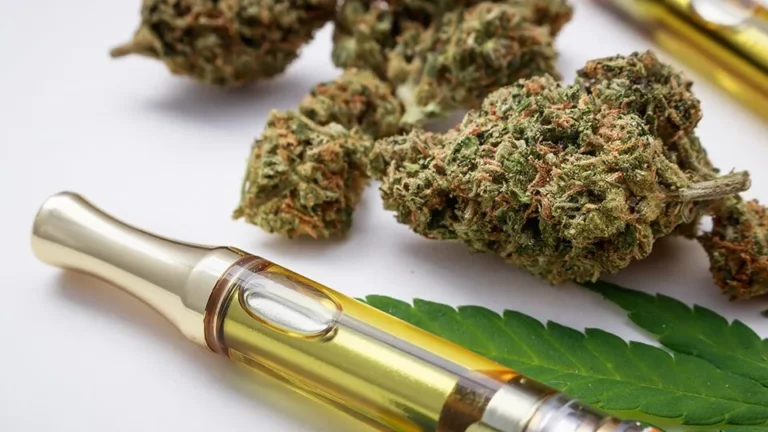
Heating cannabis—whether through smoking, vaporizing, or cooking in edibles—triggers decarboxylation, converting THC-A to Delta 9 THC and activating its psychoactive properties, which many recreational users seek.
Entourage Effect
THC-A and Delta 9 THC are part of the broader spectrum of cannabinoids, terpenes, and flavonoids contributing to the “entourage effect,” where these compounds work together to amplify their effects. Although THC-A is non-psychoactive on its own, it can still enhance the overall therapeutic potential when combined with other cannabinoids, including Delta 9 THC.
In summary, THC-A and Delta 9 THC are closely related but distinct, offering different benefits and experiences. THC-A provides non-intoxicating, therapeutic effects, appealing to those seeking medicinal relief without psychoactive effects. Delta 9 THC, known for its psychoactivity, is popular for both recreational and medicinal use. Understanding these differences is key for anyone exploring cannabis for health or enjoyment.