Is Delta 9 Synthetic
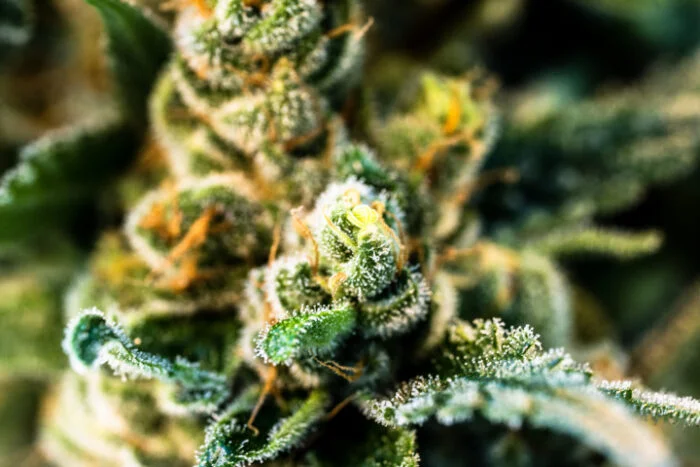
Delta-9-tetrahydrocannabinol, often known as Delta 9 THC, stands out as one of the most recognized cannabinoids in cannabis. It is primarily responsible for the psychoactive effects commonly linked to marijuana, making it a key ingredient in both recreational and medicinal cannabis products. With the increasing availability of various cannabis derivatives and synthetic cannabinoids, questions about the nature of Delta 9 THC have gained attention. One of the most important inquiries is whether Delta 9 is a synthetic or naturally occurring compound.
To clarify this, it’s crucial to differentiate between natural and synthetic cannabinoids. Natural cannabinoids, like Delta 9 THC, are compounds produced by the cannabis plant itself. They interact with the body’s endocannabinoid system, which plays a vital role in regulating numerous physiological processes, such as mood, memory, appetite, and pain perception. Delta 9 THC is primarily derived from cannabis flowers but can also be synthesized from other cannabinoids, including CBD.
Synthetic cannabinoids are man-made compounds designed to replicate the effects of natural cannabinoids. Typically produced in labs, these substances can differ greatly in potency and effects when compared to their natural equivalents.
While some synthetic cannabinoids have been developed for research purposes, others have emerged as a way to bypass legal limitations on natural cannabis products. It’s important to note that many of these synthetic variants have been linked to negative health effects, raising significant public health concerns.

When it comes to legality, Delta 9 THC derived from marijuana remains federally banned in the United States. In contrast, Delta 9 THC sourced from hemp (with a THC concentration of 0.3% or less) became legal through the 2018 Farm Bill. This shift in legislation has resulted in a significant increase in the availability of Delta 9 products—such as edibles, tinctures, and vapes—that are marketed as legal alternatives to conventional cannabis items.
The methods of producing Delta 9 THC can vary. While it can be extracted from cannabis plants, it can also be synthesized from CBD via a chemical reaction. Despite being produced synthetically, this version of Delta 9 THC is chemically identical to the naturally occurring compound found in the cannabis plant. Therefore, although Delta 9 THC can be created through synthesis, it is also naturally present in cannabis.
It is essential for consumers to be aware of the source and production method of the Delta 9 THC products they choose to use. Products containing Delta 9 THC derived from hemp or cannabis should be tested for purity and potency to ensure safety and compliance with legal regulations. Reputable manufacturers will offer third-party lab results, empowering consumers to make informed decisions about the products they purchase.
In summary, while Delta 9 THC can be synthesized, it is predominantly a naturally occurring compound found in the cannabis plant. Consumers need to understand the distinctions between natural and synthetic cannabinoids, as well as the legal implications of their use. Whether for recreational or medicinal purposes, being informed about the origins and production methods of Delta 9 THC can help individuals make safer, more informed choices in the rapidly changing cannabis landscape.